insulation_measurement

Control and measurement

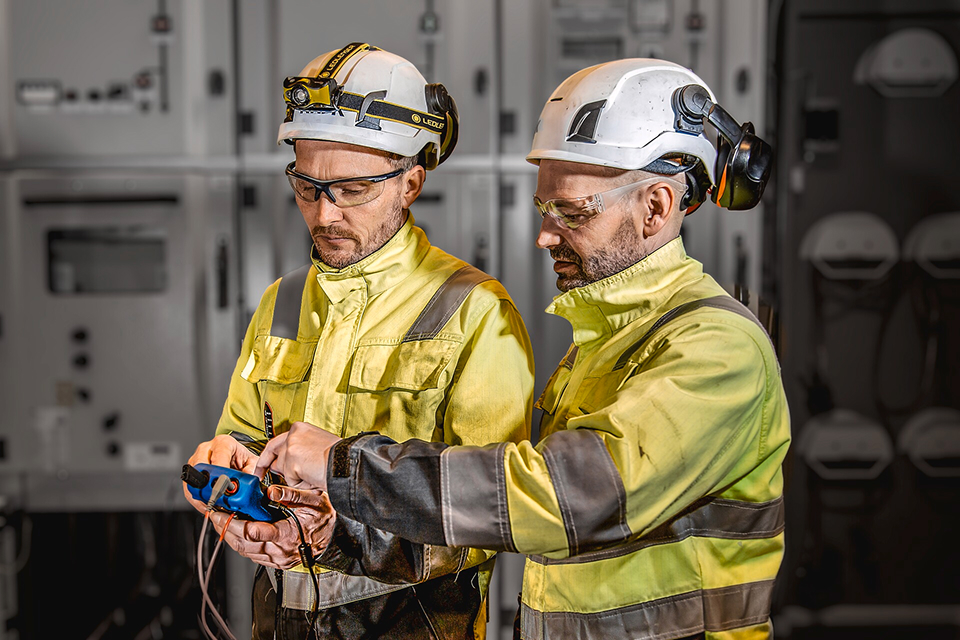
Trainor has extensive experience in measuring and documenting earthing systems in large and complex installations. We measure transition resistance for earth electrodes, earth connections, and resistivity, and document in accordance with regulations and standards. The earth electrode is essential for safety, and a complete and continuous earthing system is important for maintaining personal and operational safety in electrical installations. FEF:2006, FEL, and NEK 440:2022 set specific requirements for the inspection of earthing systems. Among other things, important and exposed parts of the earthing system must be inspected periodically, and at least every ten years.
Our measurement services

power-injection-measurement

Power injection measurement

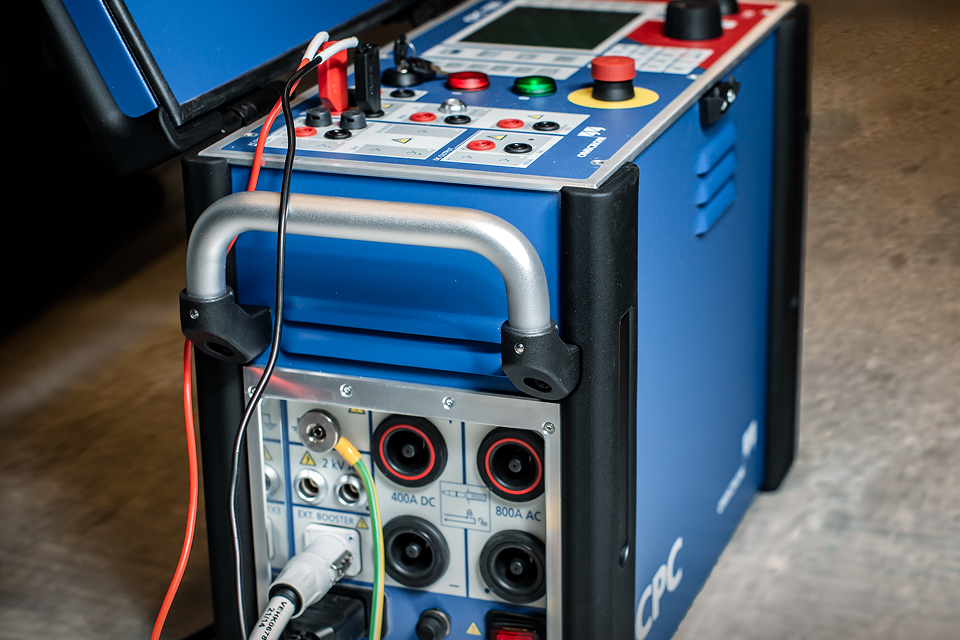
The impedance of large electrode systems to ground can be measured by the current injection method. In this measuring method, a test current is injected into the earthing system against a remote electrode. The potential rise that is formed is used to measure the transition resistance of the plant to distant soil. Step and contact voltages are measured directly on the system's earthing system. When measuring large installations, the current injection method is one of the recommended methods in NEK 440:2022.

A grounding system must ensure the safety of the electrical system. It depends on good internal connections, and good connection to the surrounding soil. Fault in the earthing system can lead to dangerous and undesirable events. Measurement with the current injection method helps to ensure the personal and operational safety of the system.

earthing-plate-measurement

Earthing plate measurement

The earth electrode is essential for safety in the electrical installation. It depends on a good connection to the surrounding soil and the earthing system. Faults in the earth electrode can lead to dangerous touch voltages. There may also be a risk that significant electronic equipment fails to function or is insufficiently protected against overvoltages. 

We offer inspection and documentation of earth electrodes at:

  • Distribution networks
  • line networkst
  • Industrial plant
  • Secondary stations
  • Power stations
measuring-equalising-connections

Measuring equalising connections

Equalising connections in an earthing system are important to safeguard personal safety and operational reliability

Many earth conductors are concealed and therefore cannot be inspected visually. Corrosion, mechanical stress, and general wear can be difficult to detect.

Regular inspection and measurement of earthing installations makes it possible to monitor the condition of the earthing system and detect deterioration at an early stage. By identifying problems such as corrosion and mechanical stress at an early stage, measures can be taken to maintain personal and operational safety in the installation.

resistivit-measurement

Resistivity measurement

The specific resistivity of the soil has a major impact on how effectively an earthing system is able to conduct electrical currents safely into the ground. Using the Wenner method, where four electrodes are placed at equal intervals in the ground, resistivity can be determined in a more reliable way than by using general table values.

Project design
Resistivity measurements provide a better basis for decision making in the design and assessment of earthing systems.

Calculation of global earth
Resistivity measurement has in recent years gained increased importance for the verification of earthing systems, including the use of the measurement method to determine whether network stations in an area can be considered part of an extensive earthing network (global earth). By using resistivity measurement, it is possible to determine whether network stations, together with low-voltage earth laid in cable trenches, satisfy the requirements for the definition of "Global Earth." This can represent a significant saving for future measurements of electrodes and documentation of earthing systems.

Always in line with current requirements and regulations

At Trainor, we always comply with current formal requirements, laws, and standards. Our measurements and deliverables are carried out in accordance with relevant regulations and recognised standards, and are documented in a structured and verifiable manner. This gives you confidence that the work meets the right quality, withstands scrutiny, and fulfils the authorities' requirements - both today and over time.

malebasen-electrical-measurement-tool

Målebasen - a uniq tool

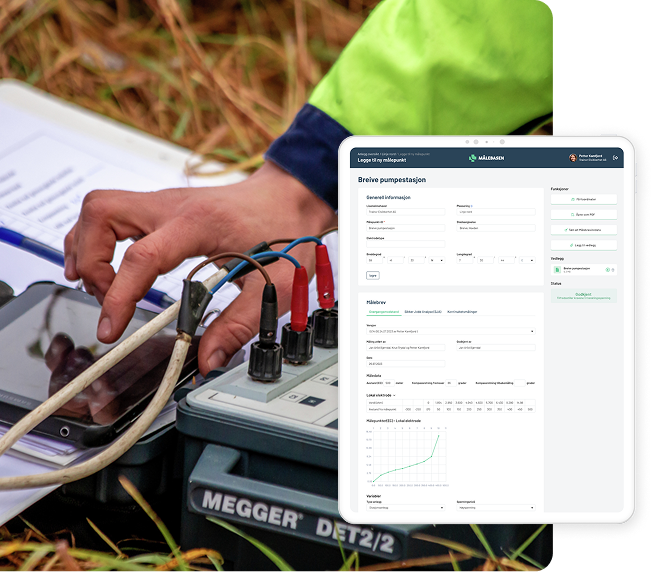
Målebase is a comprehensive tool for the efficient management of earthing data and measurement reports. The solution collects all documentation in one place and gives administrators full oversight of earth electrodes connected to network stations, transformer stations, switching stations, power transmission lines, and power stations. Advanced search functions make it easy to identify installations that do not meet touch voltage requirements, plan new 10-year inspections, and follow up on deviations in a structured way.

Målebasen supports both full-scale and reversed measurement methods, automatically stores the necessary reference values, and displays calculated touch voltages directly in the measurement reports. In addition, map views based on GPS position provide an intuitive overview of measured objects and transition resistances, contributing to better analysis, more accurate measures, and a more cost-effective and safe operation of earthing systems.

Contact our experts for assistance

Ivar Andrè Toms

Ivar Andrè Toms

Team Leader - Control and Measurement
Vegard Sjøblom

Vegard Sjøblom

Project Manager - Control and Measurement
Benjamin Abrahamsen

Benjamin Abrahamsen

Project Leader

Benjamin is project manager for inspection and measurement services and a certified inspector in fire prevention electrical inspection.